
Hyperthyroidism vs. Hypothyroidism
Learn the difference between hyperthyroidism and hypothyroidism, including symptoms, long-term health effects, and practical wellness tips for navigating thyroid conditions.

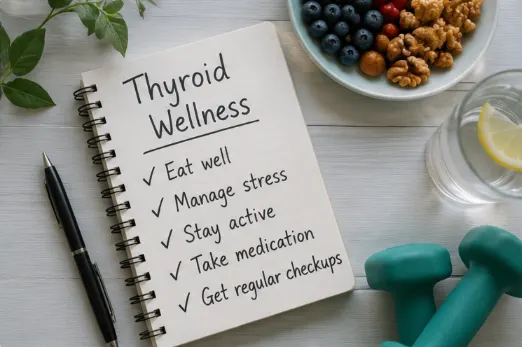
What These Thyroid Conditions Really Mean for the Body
The thyroid may be small, but it plays a major role in the body’s overall function. This butterfly-shaped gland located in the neck helps regulate metabolism, energy, temperature, heart rate, and more. When the thyroid becomes overactive or underactive, it can impact nearly every aspect of daily life.
For many people, thyroid conditions develop gradually and are often misunderstood. Others experience thyroid dysfunction after major medical treatments, including cancer treatment. Understanding the difference between hyperthyroidism and hypothyroidism can help individuals recognize symptoms earlier and better navigate life with either condition.
Important Disclaimer:
This article is for informational and lifestyle awareness purposes only. Slay Magazine and its contributors are not physicians or licensed medical providers. Readers should consult qualified healthcare professionals regarding diagnosis, treatment, or medical concerns.
What Is Hyperthyroidism?
Hyperthyroidism occurs when the thyroid produces too much thyroid hormone, causing the body to speed up.
People with hyperthyroidism may experience:
- Rapid heartbeat
- Anxiety or nervousness
- Unexplained weight loss
- Excessive sweating
- Tremors
- Difficulty sleeping
- Heat intolerance
- Fatigue despite feeling “wired”
Because metabolism is accelerated, the body can feel constantly overstimulated and exhausted at the same time.
Health Issues Hyperthyroidism May Cause
If unmanaged, hyperthyroidism can contribute to:
- Heart complications
- High blood pressure
- Bone loss or osteoporosis
- Muscle weakness
- Eye issues (especially with Graves’ disease)
- Emotional stress and anxiety

What Is Hypothyroidism?
Hypothyroidism occurs when the thyroid does not produce enough thyroid hormone, causing body systems to slow down.
This condition can develop for several reasons, including autoimmune disease, surgery, radiation exposure, or cancer treatments involving the thyroid or surrounding areas.
Common symptoms include:
- Extreme fatigue
- Weight gain
- Brain fog
- Depression or low mood
- Dry skin and hair
- Cold intolerance
- Joint and muscle pain
- Slowed metabolism
Many people with hypothyroidism describe feeling physically and mentally drained, even after resting.
Health Issues Hypothyroidism May Cause
When left unmanaged, hypothyroidism may contribute to:
- High cholesterol
- Heart disease risk
- Neuropathy or nerve discomfort
- Infertility concerns
- Depression and mood changes
- Severe fatigue and weakness
For cancer survivors, hypothyroidism may become part of the long-term reality after treatment ends. While surviving cancer is a victory, managing the aftereffects of treatment can become an ongoing journey.
The Emotional Side of Thyroid Disorders
Thyroid conditions affect more than energy levels and metabolism. They can impact confidence, productivity, relationships, and emotional well-being.
People living with thyroid disorders often struggle with:
- Feeling misunderstood because symptoms are “invisible”
- Frustration from weight fluctuations
- Anxiety about energy levels and daily functioning
- Difficulty maintaining routines due to exhaustion
The emotional side of thyroid disease deserves just as much attention as the physical symptoms.

Suggestions for Navigating Hyperthyroidism or Hypothyroidism
While every experience is different, there are practical ways individuals can better support themselves while managing thyroid conditions.
Prioritize Consistent Medical Care
Routine bloodwork and follow-up appointments help monitor hormone levels and treatment effectiveness.
Listen to Energy Levels
Rest is not laziness. Fatigue related to thyroid dysfunction can be very real. Learning when to pause is important.
Focus on Nutrition
Balanced meals with adequate protein, hydration, and nutrient-rich foods may support overall wellness. Some individuals also work with healthcare providers regarding iodine, selenium, or vitamin deficiencies.
Manage Stress
Stress can worsen symptoms for many people. Gentle movement, mindfulness, therapy, journaling, or time outdoors may help support mental well-being.
Advocate for Yourself
Thyroid symptoms are sometimes minimized or overlooked. Individuals should feel empowered to communicate concerns, ask questions, and seek second opinions when necessary.
Living Beyond the Diagnosis
Thyroid disorders may change how someone moves through life, but they do not define a person’s worth or potential.
Managing hyperthyroidism or hypothyroidism often requires patience, adjustment, and ongoing care. Some days feel manageable. Others feel exhausting. But understanding the condition and creating supportive habits can make the journey feel less overwhelming.
For many people, especially those navigating health changes after cancer treatment, healing becomes less about “going back” to who they once were and more about learning how to support the version of themselves they are becoming.
SLAY Perspective
Health journeys are rarely simple. Conditions like hyperthyroidism and hypothyroidism remind us how connected the body and mind truly are.
At Slay Magazine, we believe awareness matters and not just for diagnosis, but for understanding the real-life impact these conditions can have long after treatment begins.
And sometimes, the strongest thing someone can do is learn how to care for themselves with patience, grace, and consistency.
About Slay Magazine
Slay Magazine is a lifestyle-driven media platform highlighting events and community impact. We cover stories that inspire excellence, elevate voices, entertain, and celebrate purpose-driven leadership.
For press coverage, media partnerships, interviews, or event appearances, connect with us:
📱 Social Media: @theslaymagazine
📞 Phone: 469-560-0565
Stay inspired. Stay focused. Stay slaying.