Why Honorary Doctorates Continue to Spark Debate?
Slay Magazine explores why honorary doctorates continue to spark debate and what public recognition really means in today’s world.

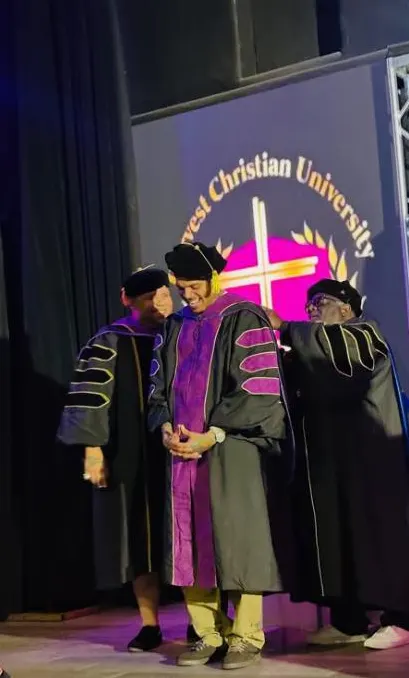

Recently, celebrity artist Chris Brown received an honorary doctorate from Harvest Christian University, sparking widespread conversation across social media and online platforms.
Some people offered congratulations and praise.
Others immediately questioned the legitimacy and value of honorary doctorates altogether.
And honestly, this debate seems to happen almost every time a public figure receives honorary recognition from a university or institution.
But why?
Why does honor make people so uncomfortable?
To understand the controversy, it is important to first understand what an honorary doctorate actually represents.
An honorary doctorate is not the same as a traditional academic doctorate earned through coursework, dissertations, examinations, and years of structured educational study.
Instead, honorary doctorates are symbolic recognitions awarded to individuals whose contributions, accomplishments, influence, philanthropy, leadership, service, or impact have significantly affected communities, industries, or society.
In many ways, the recognition is the institution’s way of saying:
“We see your work. We recognize your impact. We honor your contribution.”
Yet despite this understanding, public criticism surrounding honorary degrees continues regularly.
One of the biggest arguments against honorary doctorates comes from individuals who earned traditional doctorates academically.
And to be fair, that perspective deserves respect.
People who pursue academic doctoral degrees often dedicate:
- years of education,
- intense studying,
- research,
- financial sacrifice,
- sleepless nights,
- emotional stress,
- and enormous discipline to complete those programs.
Those achievements absolutely deserve recognition and respect.
But another perspective also exists.
Many individuals receiving honorary recognition have also sacrificed tremendously to achieve impact in their own fields.
Some spent decades building careers from nothing.
Others endured:
- financial instability,
- public pressure,
- emotional exhaustion,
- criticism,
- rejection,
- mental burnout,
- and enormous responsibility while supporting families, communities, employees, or charitable initiatives.
For many public figures, entrepreneurs, entertainers, athletes, activists, and community leaders, their success was not guaranteed by grades or structured systems.
Their work became survival.
If they failed, bills were not paid. Families were affected. Entire teams and communities were impacted.
One could argue that their life experiences required a different kind of doctorate:
one earned through resilience, pressure, leadership, sacrifice, and influence.
There is also another important layer to this conversation:
community impact.
Many honorary recipients have dedicated years to:
- nonprofit work,
- philanthropy,
- advocacy,
- mentorship,
- youth outreach,
- charitable giving,
- and creating opportunities for underserved communities.
Institutions often honor people not simply because they are famous, but because of the influence and service they have contributed beyond themselves.
In many ways, honorary doctorates become a public acknowledgment of impact.
A way of giving people flowers while they are still alive.

Another major criticism often involves money.
Some critics claim honorary degrees are “bought” because recipients sometimes donate to universities or institutions connected to the recognition.
But this conversation becomes more complex when examined closely.
Traditional degrees also require financial exchange through:
- tuition,
- fees,
- books,
- housing,
- program costs,
- and educational expenses.
Money is already deeply connected to higher education systems overall.
Meanwhile, many honorary recipients donate to schools to:
- support scholarships,
- expand programs,
- create opportunities,
- fund initiatives,
- or support institutional growth.
In many cases, the donation itself is far smaller than the financial commitment required for traditional degree programs over time.
The difference is that one exchange is tied to academic instruction, while the other is connected to recognition and institutional support.
Both involve investment.
At the heart of the debate may be something even deeper:
society’s complicated relationship with recognition itself.
People often become uncomfortable when success, influence, or honor feels “unearned” according to traditional systems they personally value.
But impact does not always happen inside classrooms.
Some people change lives through:
- art,
- leadership,
- business,
- activism,
- philanthropy,
- entertainment,
- or community service.
And institutions have the right to recognize those contributions if they choose.
Honorary recognition does not erase the accomplishments of academically earned doctorates.
Both can exist respectfully at the same time.
There is also an emotional reality many people overlook:
recognition matters.
For some individuals, honorary recognition represents decades of work finally being acknowledged publicly.
Not everyone’s journey followed traditional educational paths. Some people had to survive circumstances that made higher education inaccessible financially, emotionally, or socially.
That does not mean their impact became less meaningful.
Sometimes honor simply acknowledges a different path to influence.
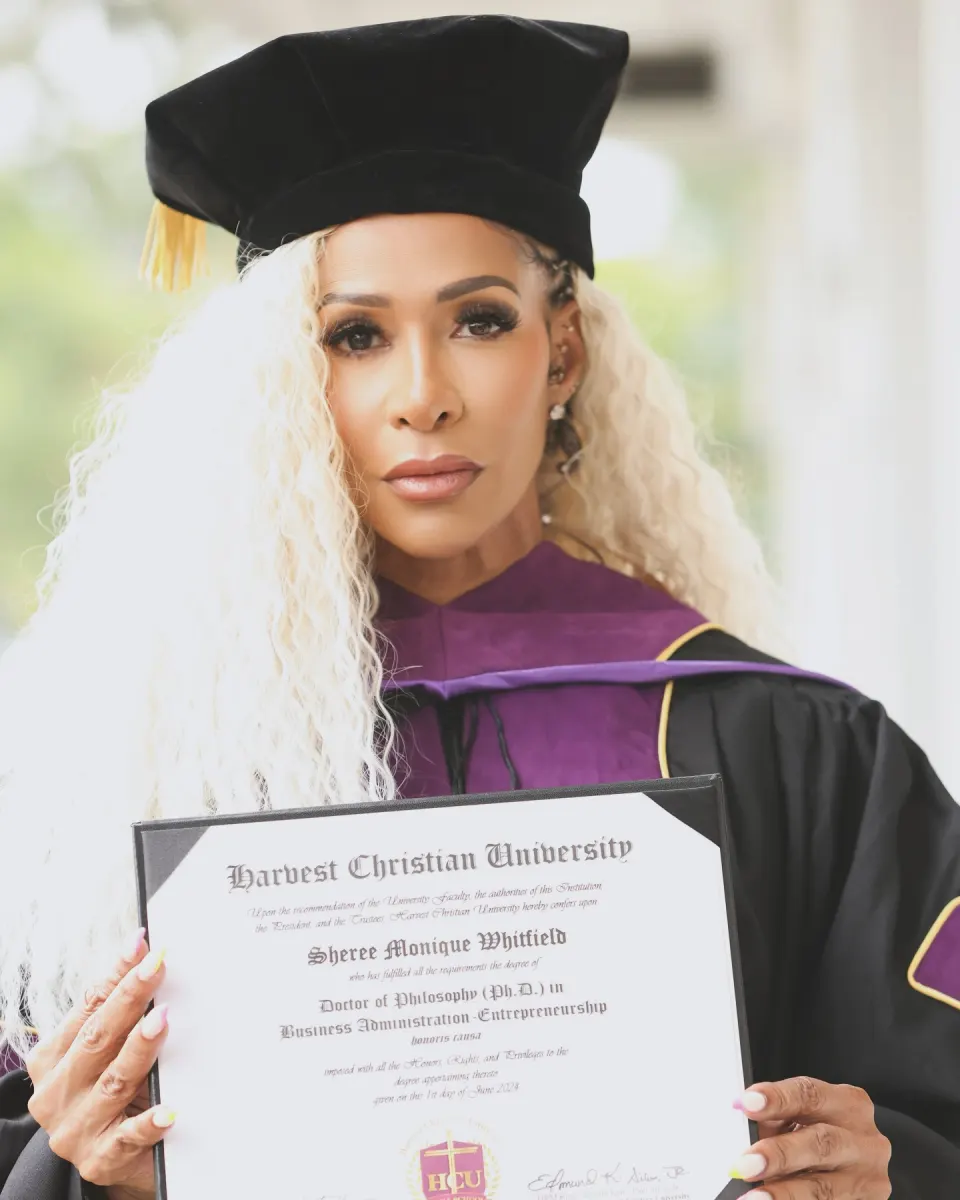
Confidence, Accomplishment & Public Perception
Public figures also face another challenge:
the world often celebrates success while simultaneously questioning whether success deserves celebration.
This creates a culture where people sometimes become more focused on discrediting honor than understanding the purpose behind it.
But recognition does not always have to threaten someone else’s accomplishments.
Someone else receiving flowers does not remove value from another person’s garden.
SLAY Perspective
At Slay Magazine, we believe honor can exist in many forms.
Academic achievement deserves respect.
Community impact deserves respect.
Leadership deserves respect.
Sacrifice deserves respect.
Honorary doctorates are not meant to erase traditional educational accomplishments. They are often symbolic acknowledgments of influence, service, resilience, and impact created beyond classroom walls.
The world needs more appreciation for people who dedicate themselves to creating change whether through education, service, business, philanthropy, artistry, or leadership.
Because sometimes recognition is not about claiming superiority.
Sometimes it is simply about saying:
“Your work mattered.”
And honestly?
Giving people their flowers while they can still smell them should never make the world this uncomfortable.
About Slay Magazine
Slay Magazine is a lifestyle-driven media platform highlighting events and community impact. We cover stories that inspire excellence, elevate voices, entertain, and celebrate purpose-driven leadership.
For press coverage, media partnerships, interviews, or event appearances, connect with us:
📱 Social Media: @theslaymagazine
📞 Phone: 469-560-0565
Stay inspired. Stay focused. Stay slaying.